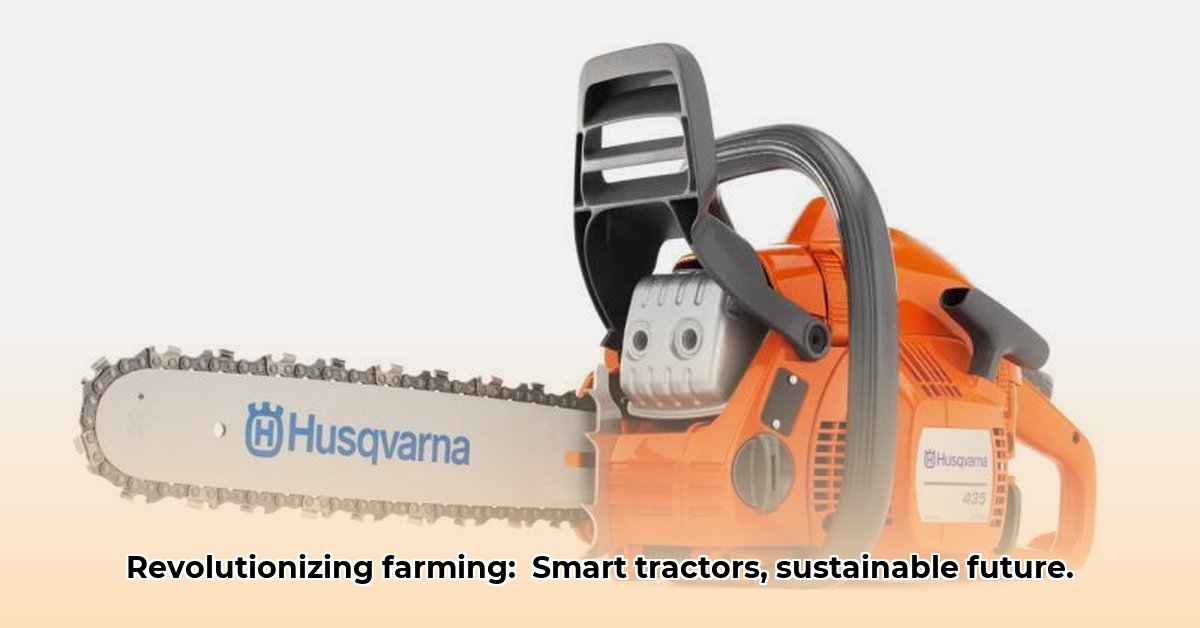
Choosing the Right Chainsaw for Sustainable Forestry Practices
Sustainable forestry requires careful consideration of every tool used. Chain saws, while powerful, can significantly impact the environment if not chosen and used responsibly. Selecting a fuel-efficient model is crucial. Look for lower mL/kWh (milliliters per kilowatt-hour) ratings; a lower number indicates better fuel efficiency, directly translating to lower emissions. Think of it like your car's gas mileage – lower is better for the environment. Does choosing a more fuel-efficient chainsaw directly impact your bottom line and environmental footprint? Absolutely. A well-maintained chainsaw plays a key role too. A sharp chain requires less power, reducing fuel consumption and emissions. Keeping the air filter clean also ensures optimal engine performance. This means less fuel wasted and less pollution and improves your chainsaw's longevity, reducing waste from replacements. For more on sustainable agricultural equipment, check out this helpful resource.
Regular maintenance also plays a significant role in sustainable chainsaw operation. Regular sharpening of the chain reduces the work required from the engine, leading to less fuel consumption and fewer emissions. Keeping the air filter clean ensures optimal engine performance, further reducing fuel usage and minimizing environmental impact. This can translate to significant fuel cost savings over the chainsaw's lifespan.
Beyond fuel efficiency, consider the chainsaw's overall durability. A well-constructed saw lasts longer, reducing the need for replacements and minimizing waste. This contributes to a more sustainable approach to forestry management, reducing your environmental impact and operational costs.
Sustainable Timber Management: Responsible Harvesting with Chain Saws
Responsible timber harvesting goes beyond simply cutting down trees; it's about managing the entire forest ecosystem. Chain saws, when used effectively, are valuable tools for precise and efficient harvesting, minimizing waste. The goal is to harvest trees with minimal disruption to the surrounding environment. This precision minimizes soil compaction and damage to neighboring trees. How can we ensure responsible harvesting practices are followed? Implementation of robust replanting programs is critical. For every tree removed, a new one should be planted, ensuring the forest's long-term health and sustainability. The harvested timber can also be repurposed, potentially contributing to bioenergy production, which can offset reliance on fossil fuels.
Safety and Maintenance: Minimizing Environmental Impact
Safety is paramount in chainsaw operation. Properly maintained equipment is less prone to accidents, such as oil leaks that can contaminate soil and water sources. Regular maintenance ensures efficient operation and reduces the risk of accidents. A well-maintained saw, as previously discussed, is far more fuel efficient, further minimizing environmental impact. Investing in proper safety gear, including eye protection, hearing protection, gloves, and sturdy boots, is crucial for operator safety and responsible land management.
Alternatives and Complementary Tools: A Holistic Approach
While chain saws are essential for many forestry tasks, they are not always the best solution. For smaller jobs, hand saws are often a more sustainable and environmentally friendly choice, reducing reliance on gas-powered equipment. A holistic approach often integrates various tools. Employ a chainsaw for larger trees and a hand saw for more detailed work. This approach improves efficiency and reduces unnecessary fuel consumption and emissions. This efficient use of tools is key to optimizing your sustainable forestry practices.
Tractor Supply Chain Saws: A Range of Sustainable Options
Tractor Supply offers a range of chain saws to meet various needs and budgets. Before purchasing, carefully assess your specific requirements. Consider the type and sizes of trees you will be cutting. Choose a saw appropriately sized for the task to avoid wasting resources and maximize efficiency. This ensures you select the most sustainable option for your specific forestry practices.
Key Takeaways:
- Fuel Efficiency: Prioritize chain saws with low mL/kWh ratings for reduced emissions and cost savings.
- Responsible Harvesting: Implement replanting programs and consider bioenergy production from harvested timber.
- Safety First: Proper maintenance and safety gear are crucial for minimizing environmental damage and operator risks.
This guide provides a framework for utilizing chain saws in a sustainable manner within agricultural practices. Remember that responsible land management is an ongoing process requiring continued adaptation and improvement.
Tractor Supply Chain Saws
Content about tractor supply chain saws (Auto-generated fallback due to API error).
Tractor Supply Chain Saws
Content about tractor supply chain saws (Auto-generated fallback due to API error).